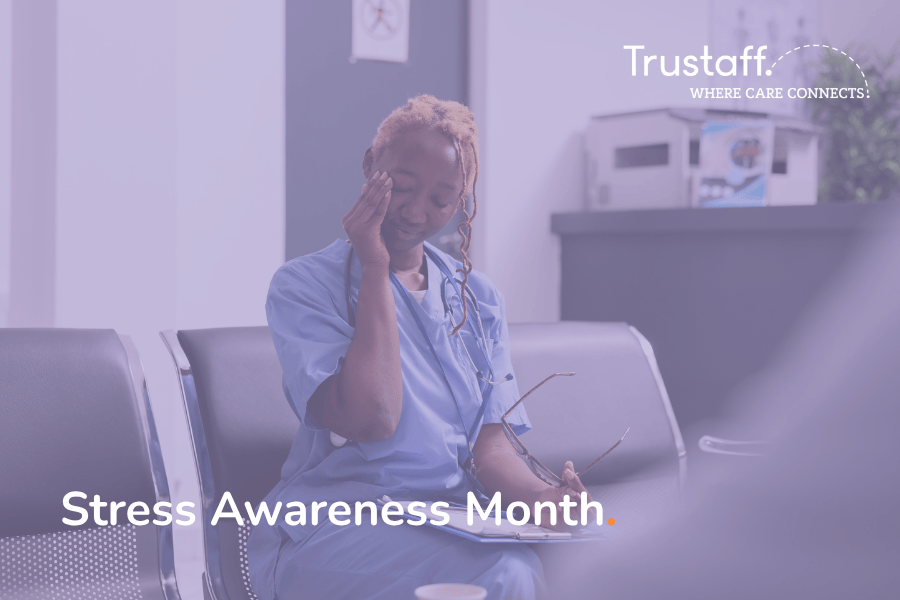
Healthcare professionals are the backbone of our communities. Doctors, nurses, technicians, and support staff spend their days caring for others, often under intense, high-pressure circumstances. While the passion to heal drives this profession, the relentless demands can lead to a quiet, often ignored crisis: chronic stress and burnout.
April is Stress Awareness Month, providing a timely opportunity to stop, reflect, and prioritize your own well-being. If you are struggling, you are not alone, and it is not a sign of weakness—it is a sign that you are human.
Recognizing the “Hidden Signs” of Stress
In high-stakes environments, stress often builds up unnoticed. It can manifest physically, emotionally, and cognitively before we ever acknowledge it. Watch for these signs:
- Physical: Persistent fatigue, tension headaches, frequent colds/viruses, or digestive issues.
- Emotional: Increased irritability, feelings of being overwhelmed, or emotional detachment from work.
- Behavioral: Increased reliance on substances, withdrawing from friends/family, or losing passion for patient care.
5 Practical Strategies to Manage Stress
Managing stress isn’t about avoiding work, but building resilience to thrive in it.
- Practice “Micro-Breaks”: You don’t need a vacation to manage stress. Take 5 minutes during a shift to practice deep breathing, stretch, or do a quick body scan to reduce physical tension.
- Set Firm Boundaries: It is okay to say “no.” Protect your personal time to recharge by limiting overtime and disconnecting from work emails at home.
- Reflect and Release: Utilize techniques like journaling or a “end-of-shift” debrief to process emotional challenges, ensuring you don’t carry the day’s stress home.
- Prioritize Physiological Needs: Adequate sleep (7-9 hours), nutritious food, and regular exercise enhance your body’s natural resistance to stress.
- Build a Support Network: Connect with colleagues who understand your experience. Peer support is one of the most effective ways to manage stress in healthcare.
The Road to Recovery: It’s Time to Act
Self-care is not a buzzword—it is a professional necessity to prevent burnout. As we observe Stress Awareness Month, let’s commit to:
- Acknowledging your limits: Recognizing when you need help.
- Accessing resources: Utilizing Employee Assistance Programs (EAPs) or mental health apps like BetterHelp.
- Fostering a supportive culture: Encouraging coworkers to take breaks and supporting each other.
Disclaimer: This blog provides general information and is not a substitute for professional mental health advice or treatment.
No comments yet. Be the first to comment!