Question? Call Us
Phone Number: 205-406-5433
Certified Patient Care Technician (PCTA)
Engaging in meaningful learning and training
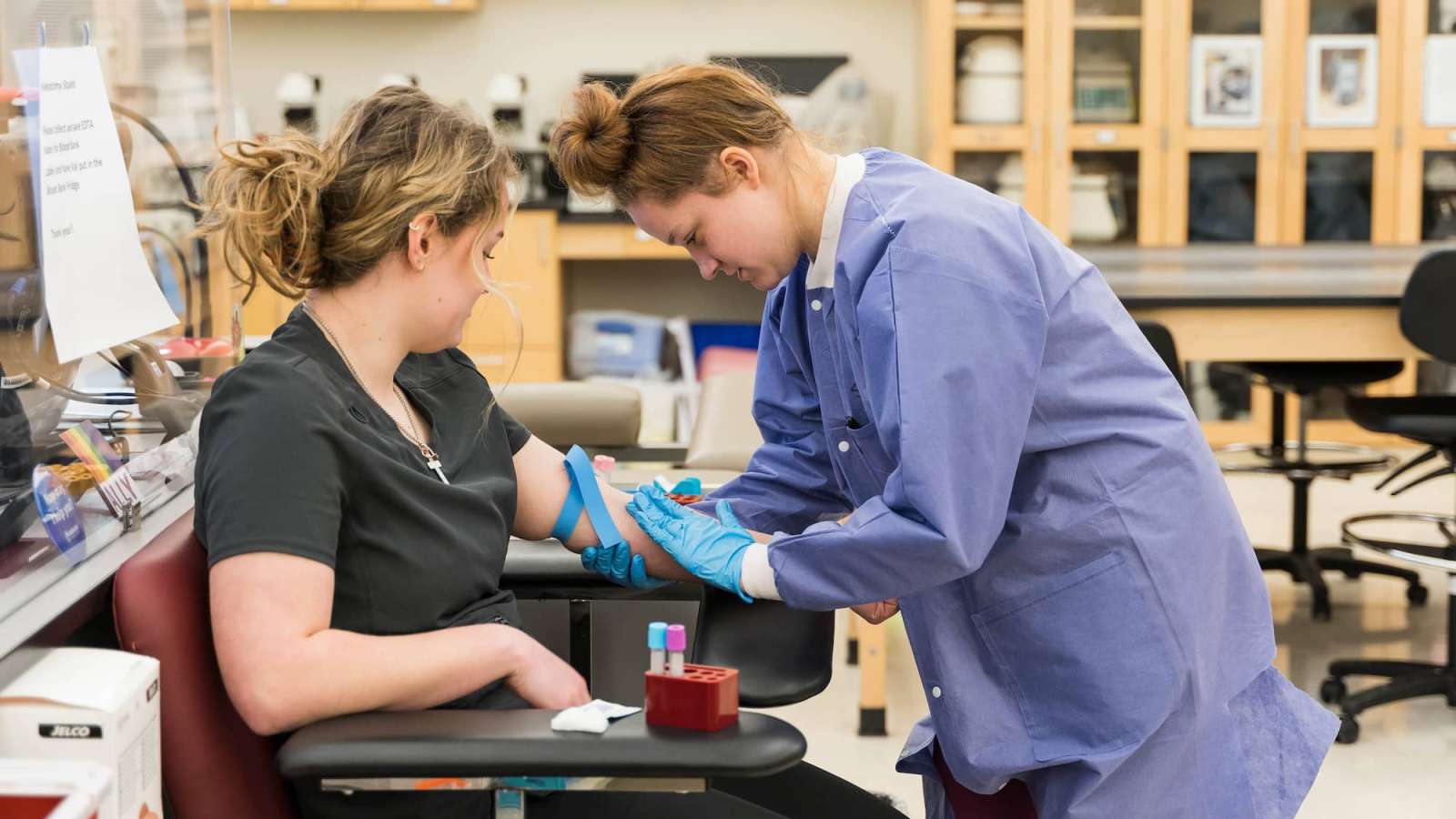
A Patient Care Technician is a nationally recognized designation for licensed nurse aides with phlebotomy and EKG training. To prepare students to secure a job in homes, hospitals, general surgery units, and other healthcare facilities, we designed a program that combines face-to-face lectures and skill laboratories to let the students engage in meaningful learning and training experiences.
This program gives you the skills and knowledge you’ll need to work as a Patient Care Tech in a clinical setting. Training programs in Pelham, Alabama, provide this opportunity to those ready to enter the healthcare field with confidence.
What Are the Benefits of This Program?
The Certified Patient Care Technician program provides several advantages that support career growth and clinical readiness:
Combining essential skills in nursing care, phlebotomy, and EKG interpretation into one certification Increases employability by offering a versatile skill set valued by healthcare employers Prepares participants for immediate job placement in various clinical settings Balances theoretical knowledge with hands-on practical training Enhances patient care quality and professional competence in healthcare environments
How This Program Prepares for Real-World Success
Participants train using real-world scenarios and up-to-date medical equipment, fostering familiarity with actual healthcare environments. The combination of face-to-face lectures and skill laboratories provides a solid foundation in patient care procedures, infection control, vital signs monitoring, and more. Each module reinforces the core responsibilities expected of a Patient Care Technician in active healthcare settings
Why Choose This Program?
The CPCT program aligns with healthcare industry standards and demands. Developed by experienced medical educators, the curriculum emphasizes workforce readiness and clinical competence. Graduates of this program are qualified for a variety of roles across medical facilities, often becoming indispensable members of patient care teams. The program also serves as a stepping stone for those looking to pursue advanced healthcare certifications.

Faq
Frequently Asked Questions
This section addresses common questions related to the Certified Patient Care Technician program and what prospective students can expect.
Step Into a Healthcare Role with Comprehensive Training
We are committed to providing you with exceptional training programs that will help you achieve your career goals. For inquiries, you may
Send us a Message.A CPCT assists nurses and other medical staff by providing basic care to patients, performing tasks such as monitoring vital signs, drawing blood, and assisting with EKGs.
They are commonly employed in hospitals, long-term care facilities, rehabilitation centers, and surgical units, where they support both patients and medical teams.
While requirements vary by state, certification enhances employment opportunities and is often preferred or required by employers.
Program lengths vary but typically span a few months, allowing students to quickly transition into healthcare roles with relevant credentials.
Most programs require a high school diploma or GED. Some may also require a background check or proof of immunizations.
Yes, the curriculum includes skill laboratory sessions where students practice essential procedures and patient care techniques under supervision.
Yes, many use the CPCT certification as a stepping stone to further medical training, such as nursing or specialized technician roles.